Saturday, January 29, 2011

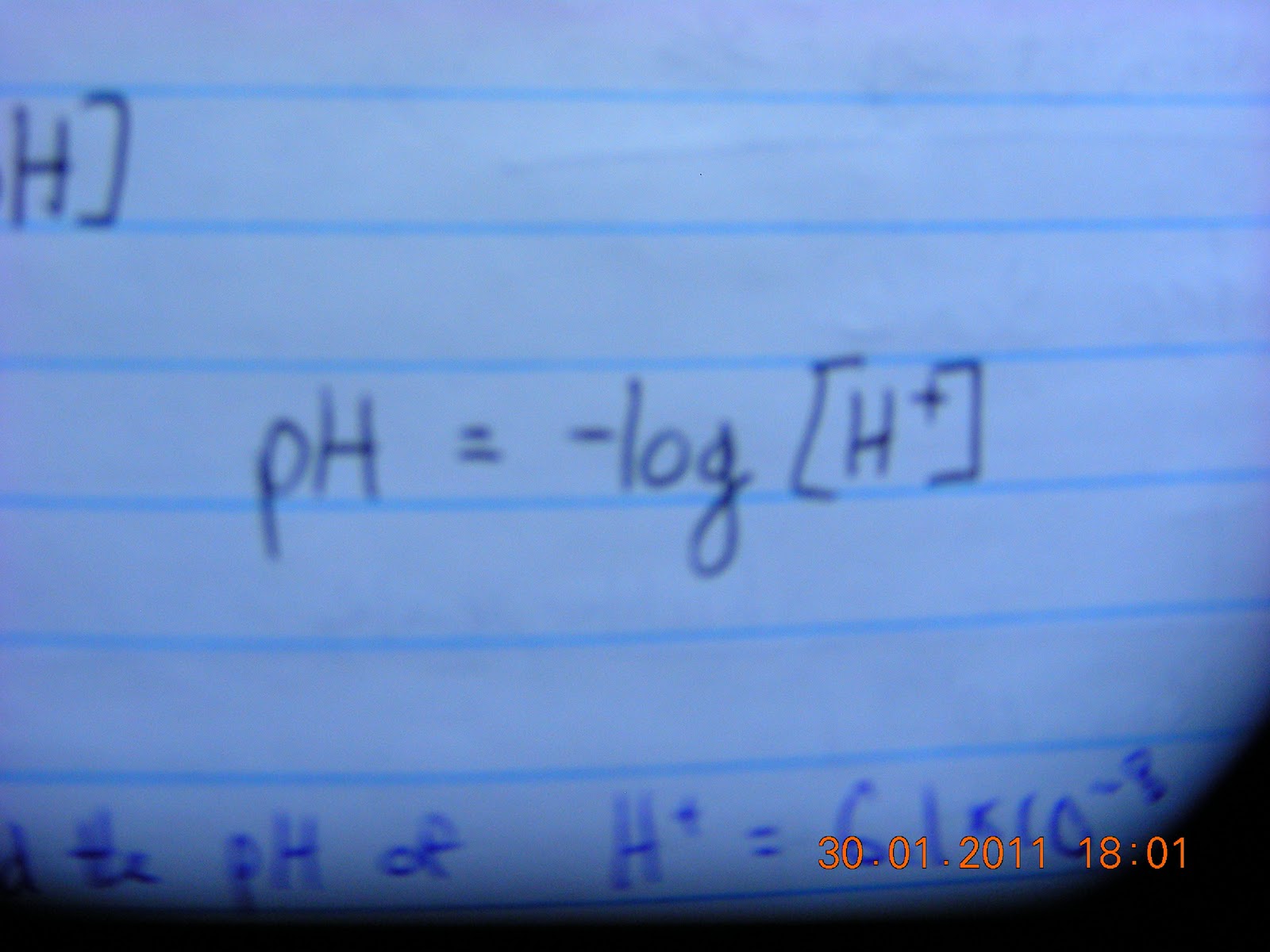
Unit 7 log functions

quick review:


couldnt move this to the end T_T , i forgot how i did this on the test lol and i dont get what i did! ahh


In is just log base e

 applications of log:


basically take the exponent of 10, and multiply that number by twn to get your loudness.


why is this sideways?!!! ugh.. i didnt get this on the test, and im not sure if i got it right? sooo blahh  looking for the domain.

tricky question - another domain one:

remember that any number to the log base that same number is just the main number? lol

In is log base e!

what a beautiful day

and im stuck inside studying for my math exam T_T booooo


sigh...

Unit 6 Solving Trigonometry Formulas

quick review:

related angle identities (involving 0, pi, and two pi):

the first picture is a circle on a graph, with point P as the starting point, and P' (P prime) as the new point. basically, you look at the original x or y value (depending on what you're looking at) and then you look at the new respective x or y value, and see how it has changed. er.. as you look at the graph and then the box below with the identities, it should make more sense. you should be able to derive these identites yourself, from the graphs...but if you can not remember how the graphs work, then it would be better to memorize.

this is the graph:

these are the identites derived from the graph above.


this is a graph showing a reflection about the origin:

and it's corresponding identites:

where two pi minus theta... or reflection along x-axis

corresponding identities:

same graph as above, but this one shows the even and odd functions:

even/odd function identites:


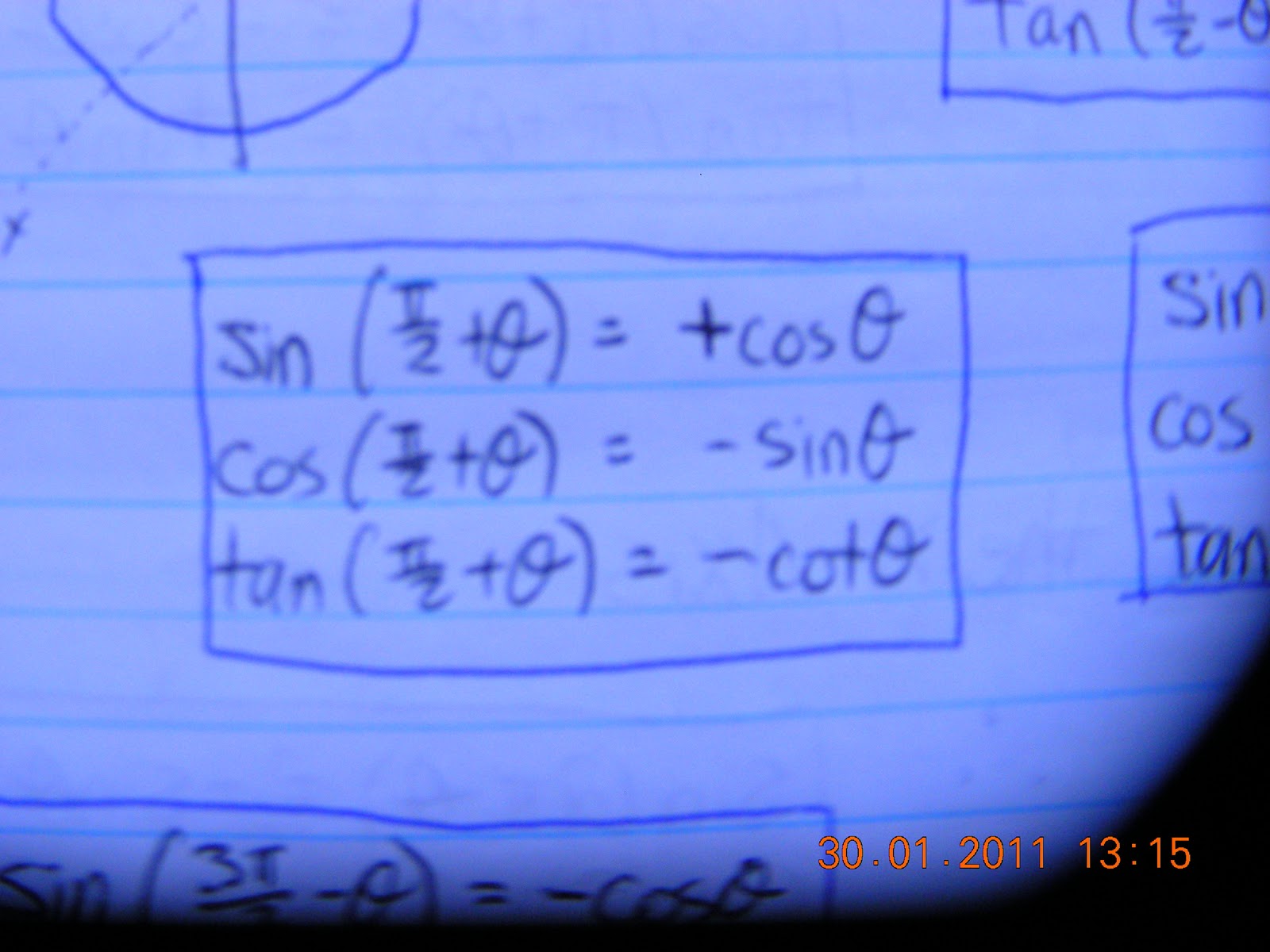
these are co- related angle identities (so involving 0, 90 and 270 degrees)
reflection along y = x axis

corresponding identites, y = x axis :

this one is on the other side...

these two are for 270 degrees... same idea, so no graph =D


addition and subtraction of angle formulas:


addition of cos:

subtration of cos: note the different signs, and that cos and cos are together, sin with sin.(always for cos)

addition of sin, note the signs are the same, but sin is with cos.
subtraction of sin: for sin, the sign is always the same, and it is always sin with cos.

addition of tan: the top signs are always the same, the bottom are always opposite.

subtration of tan: top signs same, bottom opposite.


Double and half angle formulas:

for sin:

cos has three identites for double angles:

half angle formula for cos:

double angle formula for tan:

half angle for tan: (sorry, i dont know why it's sideways)


unit 5 basic trigonometry

quick review:

two special triangles we must remember, useful when being asked to solve for theta.
this one's easy to remember... both corners are 45 degrees, and it's one-one - root (two)

you can come up with the angles as long as you remember the numbers, and where they are. you can just test for tan root (three) = 60. and you'll know to put the 60 across from the root (three).

this is useful when being asked to solve for questions involving a wheel, calculating # of revolutions, velocity, etc. (angular velocity)
 converting radians to degrees, or degrees to radians... this can be remembered by knowing that 180 degrees is equivalent to pi. then you just cancel out the pi to get degrees. or you can divide the degrees over 180 and multiply that by pi to get the amount in radians.
  this is a tan graph. the cotangent graph is the same, but shifted 90 degrees to the right(or left) and flipped along the x axis (so the arrows change signs (pos-> neg, neg->pos), and point in the opposite direction).

 this is a sine graph and a cosecant graph, csc is the inverse of sin so you can see it below:

out of the three main types of identities, reciprocol, quotient, and pythagorean, pythagorean is the hardest to remember! These are important to know, so that proofs will be MUCH easier and faster to solve.

this one is probably not on the exam, but it was talked about.. so maybe it'll be on the exam? if not, good to know! this is called the root mean square, and is used to find varying alternating currents.

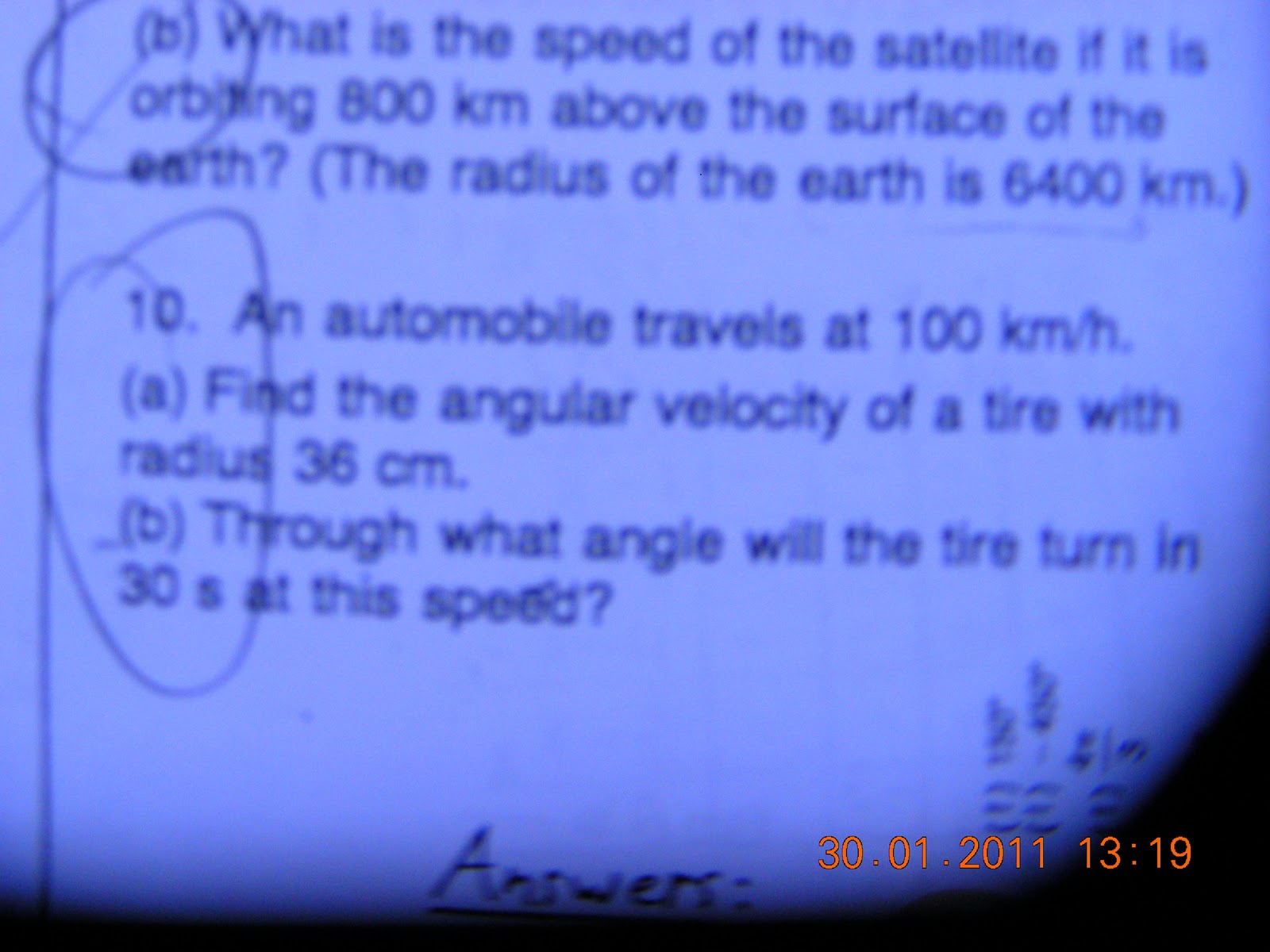
question 10 is one i have trouble with (i know 9b is circled, but i solved it =D):

this is the equation i got for the application of a sin/cosine graph.... and it was right.

so why couldn't i solve this? i got a very large number.... 390ish mins. odd? where did i go wrong...?


ok so i found out.. that ... i was in either the wrong calculator mode (supposed to be in rad) OR i could have used 360 degrees instead of 2pi. =) problem solved.